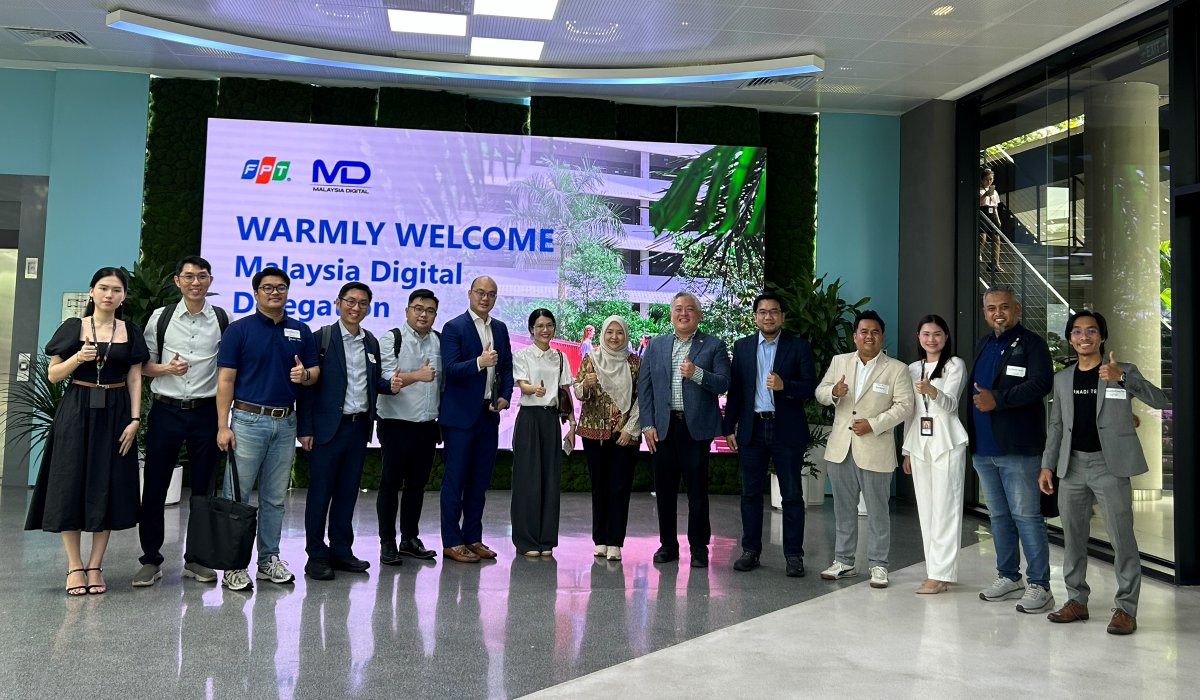
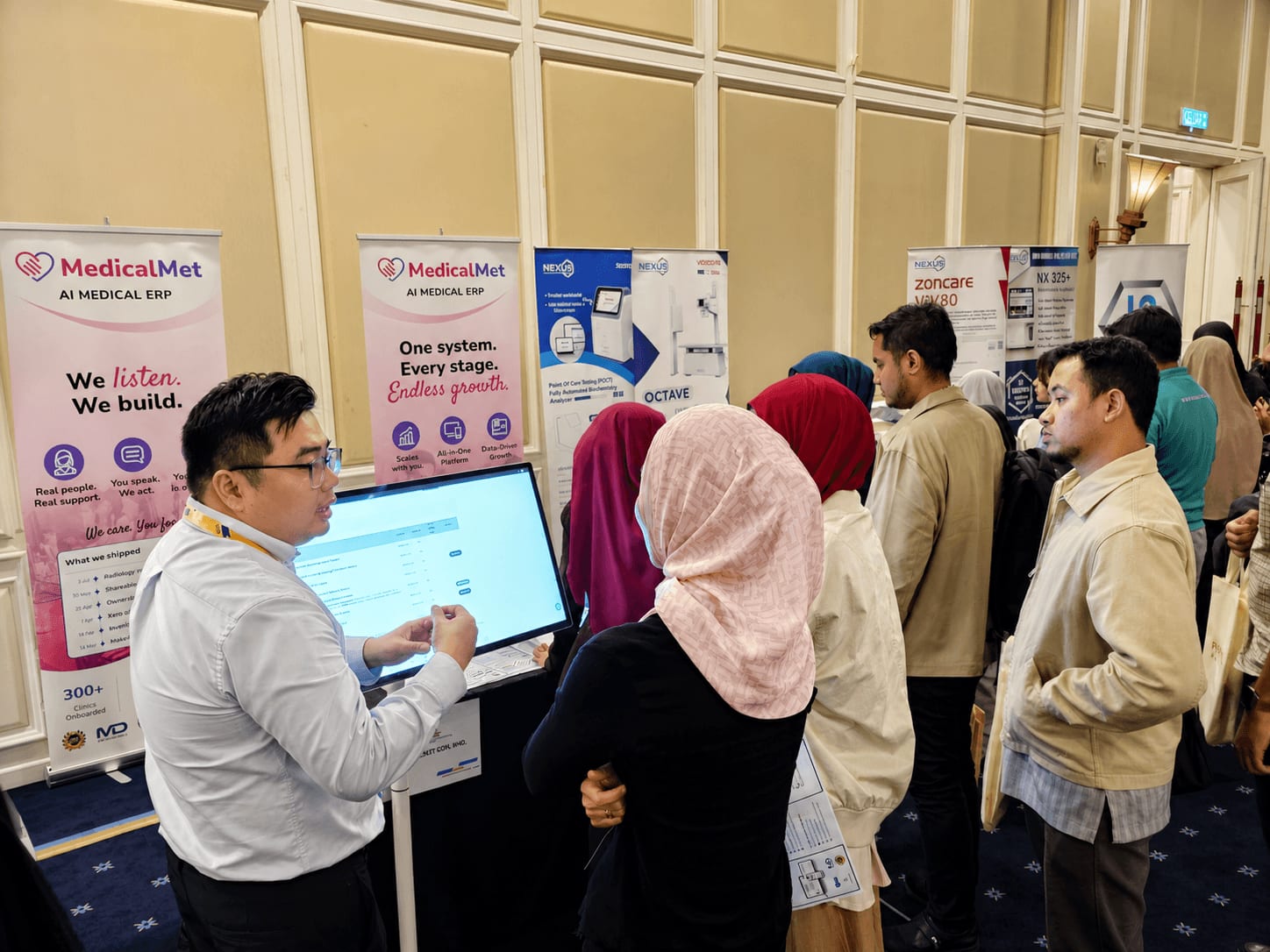
On 29 April 2026, MedicalMet attended YYC Finance Forward 2026 (财智未来) at Level 17, Menara EcoWorld in Bukit Bintang, Kuala Lumpur. Hosted by YYC — a leading Malaysian audit and SME advisory firm in operation since 1974 — the briefing focused on three levers that decide whether an SME thrives or stalls: cashflow, business value, and succession planning. We came away with sharper thinking on what these three levers mean for clinic owners and group practices across Malaysia and Singapore, and how a modern clinic management system sits at the centre of all three.
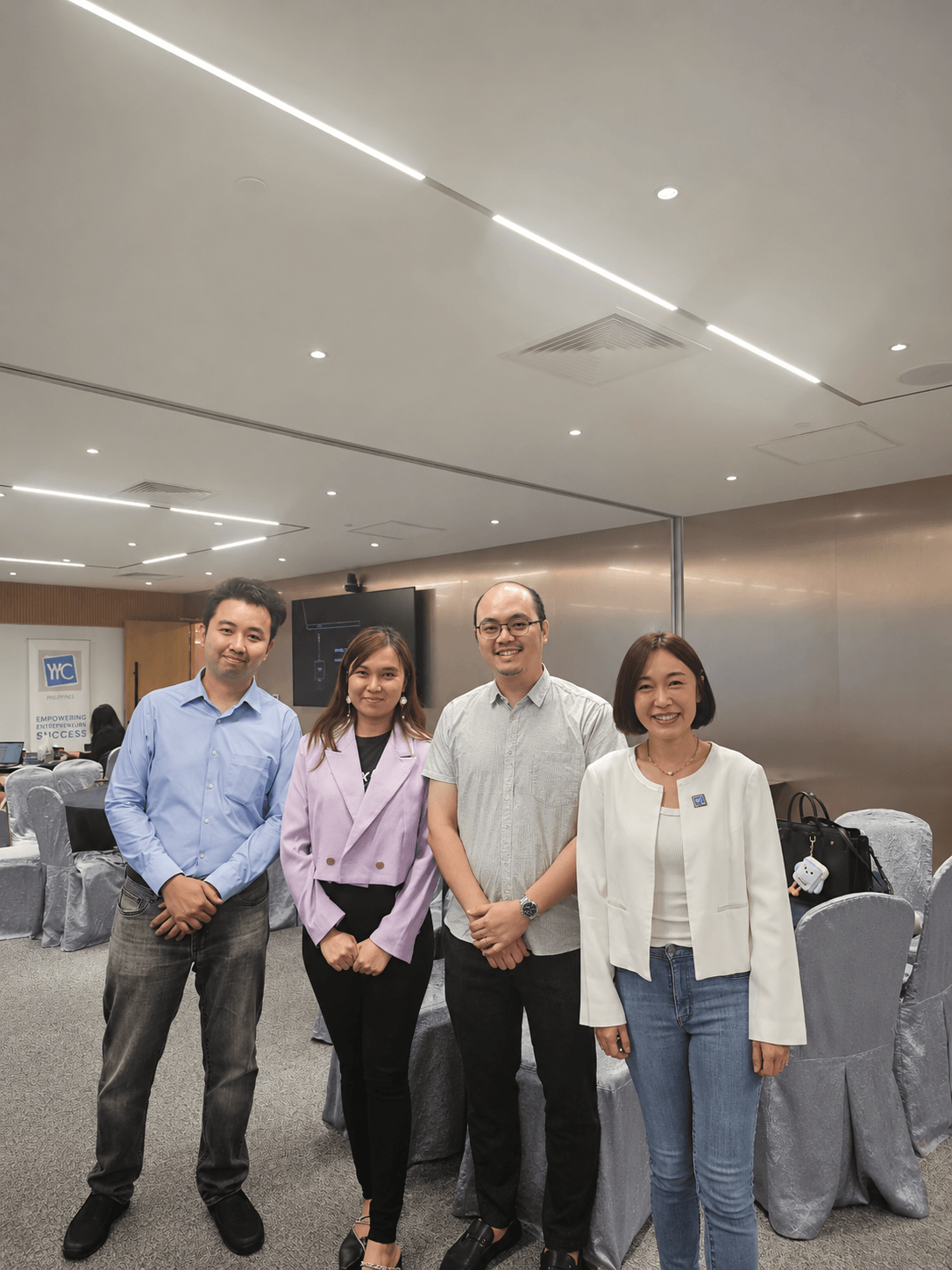
Why MedicalMet Joined YYC Finance Forward 2026
Clinic owners are clinicians first. They train for years to deliver patient care — not to read profit-and-loss statements, manage receivables ageing, or prepare a five-year succession plan. Yet every clinic is a business, and the financial health of that business decides whether it can hire more staff, open a second branch, or hand over to the next generation without a fire sale. We attended Finance Forward 2026 because we wanted to hear directly from one of the country's most experienced SME advisory teams how owner-managed practices should be thinking about cashflow, value and succession in the current Malaysian and Singaporean economy.
The session ran from 10:00 AM to 12:00 PM and brought together SME founders from across professional services, retail, and healthcare. The framing — 现金流 (cashflow), 企业价值 (enterprise value), 传承 (succession) — is exactly the conversation we have been having internally about how MedicalMet helps clinics graduate from "running a clinic" to "running a clinic business."
Why Clinic Owners Need to Think Like a CFO in 2026
YYC opened with a hard truth: profitable clinics still go bankrupt because they run out of cash. A clinic can be net-positive on paper while choking on slow insurance receivables, panel claim cycles of 60–90 days, and inventory tied up in expired stock. Cashflow — not profit — is the oxygen of an SME.
Where cash actually leaks in a typical clinic
- Outstanding panel and corporate invoices that age past 90 days because no one chases them weekly.
- Stock written off because a slow-moving SKU expired before it was dispensed.
- Cash collected at the front desk that never reconciles to the day's bank deposit.
- No-shows that occupy a doctor slot but never convert to a paid invoice.
- Missed package redemptions where patients prepaid but the clinic forgot to deliver — a deferred revenue liability that stays on the books.
Each of these is a software problem before it is a finance problem. A live owner dashboard showing daily collections, ageing receivables, and stock-on-hand turns cashflow from a quarterly surprise into a daily habit. MedicalMet customers using the new owner dashboard report catching ageing invoices 4–6 weeks earlier than they used to with manual spreadsheets (MedicalMet customer data, 2026).
A 5-minute daily cashflow ritual
Open your clinic dashboard once a day with morning coffee. Look at three numbers: yesterday's collections, this week's ageing receivables over 30 days, and stock items expiring in the next 60 days. Five minutes. Every day. That single habit is the difference between owners who get blindsided and owners who do not.
How Clinic Software Increases Business Value (and Sale Multiples)
The second pillar at Finance Forward 2026 was enterprise value — what your business is actually worth to an outside buyer or successor. YYC walked through valuation drivers and an uncomfortable observation kept surfacing: clinics that are entirely dependent on the founder are worth far less than clinics that run on documented systems.
A buyer evaluating a clinic asks four questions. How clean are the books? How predictable is the recurring revenue? How transferable are the patient relationships? How dependent is the practice on a single doctor? The first three are answered by your clinic management software. The fourth is answered by the systems you put around your team.
What buyers actually pay a premium for
- Clean, audited monthly P&L generated automatically from the clinic system — not reconstructed from receipts.
- Recurring revenue from loyalty programs and prepaid packages with documented redemption schedules.
- A patient database with structured demographics, treatment history, and consent records — portable, exportable, and PDPA-compliant.
- Standard operating procedures embedded in the software (digital treatment notes, panel pricing rules, dispensary protocols) so the practice runs the same way whether the founder is in or not.
- LHDN e-invoice compliance and a clean audit trail — non-negotiable for any acquirer doing due diligence in Malaysia from 2025 onwards.
“A clinic that runs on the founder's memory is a job. A clinic that runs on systems is an asset. The first cannot be sold; the second can be sold, financed, or inherited.”
— Cedric Lau, Business Development Manager, MedicalMet
Succession Planning for Family-Run and Group Clinics
The third pillar — 传承, succession — is the most emotional and the most postponed. Across Southeast Asia, a generation of doctor-owners who built their practices in the 1990s and 2000s are now in their 60s. Some have a child or junior partner ready to take over. Many do not. Either way, succession is not a one-day event; it is a 3–5 year handover that needs to start while the founder is still energetic enough to drive it.
Four common succession pathways for clinic owners
- Family handover — child or sibling takes over clinical and management roles.
- Internal partner buy-in — a senior associate doctor gradually buys equity over several years.
- Trade sale — a hospital group, healthcare chain, or PE-backed platform acquires the practice.
- Wind-down and patient transfer — the founder retires and refers patients to a partner clinic.
Each pathway demands the same foundation: a clinic that does not depend on the founder being physically present every day. That is built years in advance through clinical documentation that any qualified doctor can pick up, financial reporting that any accountant can audit, and patient communication that survives the ownership change. Electronic medical records, structured reports, and automated WhatsApp reminders are not just operational tools — they are succession assets.
Succession planning starts 5 years out, not 5 months out
YYC's recommendation for SME owners: begin formal succession planning at least five years before the intended exit. Use those five years to digitise records, train the next generation of leaders, and let the business prove it can run a full year on systems before any handover.
Practical Steps Clinic Owners Can Take This Quarter
Frameworks are useful, but only action moves the needle. If you are a clinic owner in Malaysia or Singapore reading this on a Wednesday afternoon, here is the shortlist we walked away from Finance Forward 2026 with — practical things you can put in motion before next quarter ends.
- Replace your spreadsheet receivables tracker with a real clinic dashboard that updates in real time. You cannot manage cashflow you cannot see.
- Migrate prepaid packages, loyalty redemptions, and panel pricing from staff memory into the system. Billable items and packages should have rules, not exceptions.
- Get LHDN e-invoice ready now if you have not already — read our e-invoice preparation guide for clinics.
- Document your treatment protocols inside the software using AI-assisted treatment notes. The notes themselves become a training asset for the next doctor.
- Run a "founder absence drill" — take a full week off and let your team operate the clinic on the system. Whatever breaks is your succession gap. Fix it now, while you are still around to fix it.
These five steps will not finish your succession plan or guarantee a premium valuation. They will, however, move your clinic from "depends on the founder" to "runs on systems" — and that single shift is what cashflow, value and succession all rest on.
Thank You, YYC
Big thanks to the YYC team for hosting a sharp, candid session and for the conversations after. As MedicalMet continues to expand across Malaysia, Singapore, Brunei, the Philippines, Thailand and Vietnam, partnerships with advisory firms like YYC are exactly how we make sure the software we build maps to the real financial questions clinic owners are wrestling with — not the questions a software company assumes they are wrestling with.
If you want to see how MedicalMet can give your clinic a live owner dashboard, automated receivables tracking, and the documentation backbone for an eventual succession, our team would be glad to walk you through a personalised demo. Read the cost-benefit breakdown first if you want to come to the demo with sharper questions.

Cedric Lau
Business Development Manager, MedicalMet