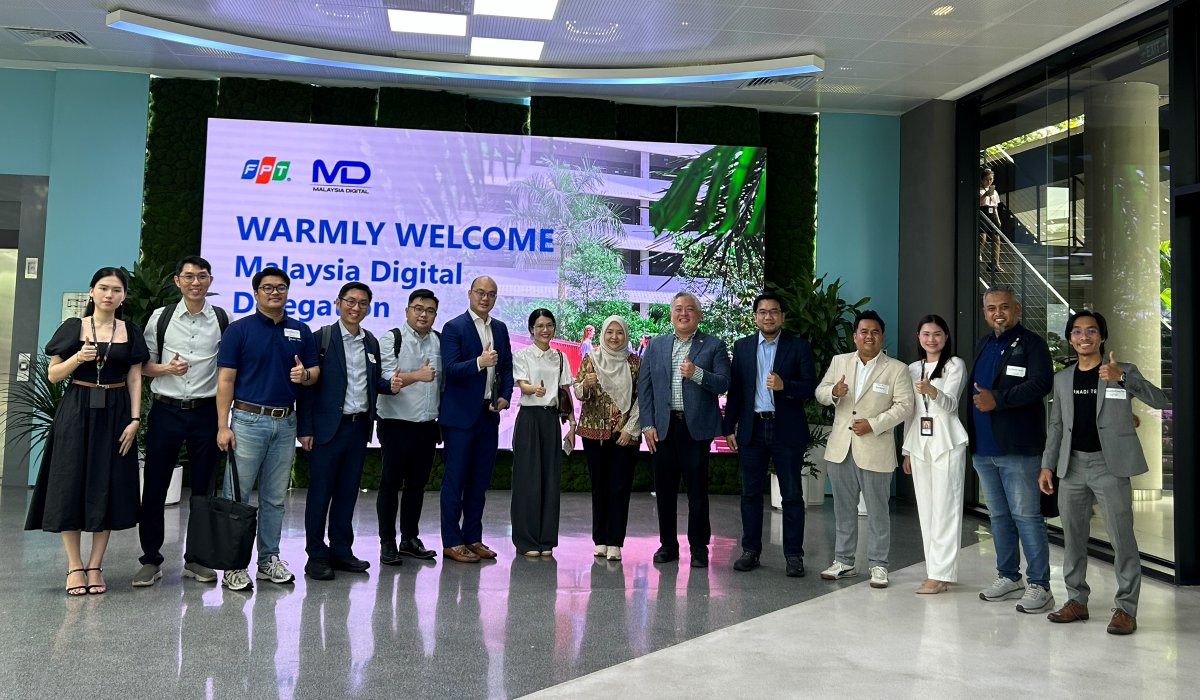
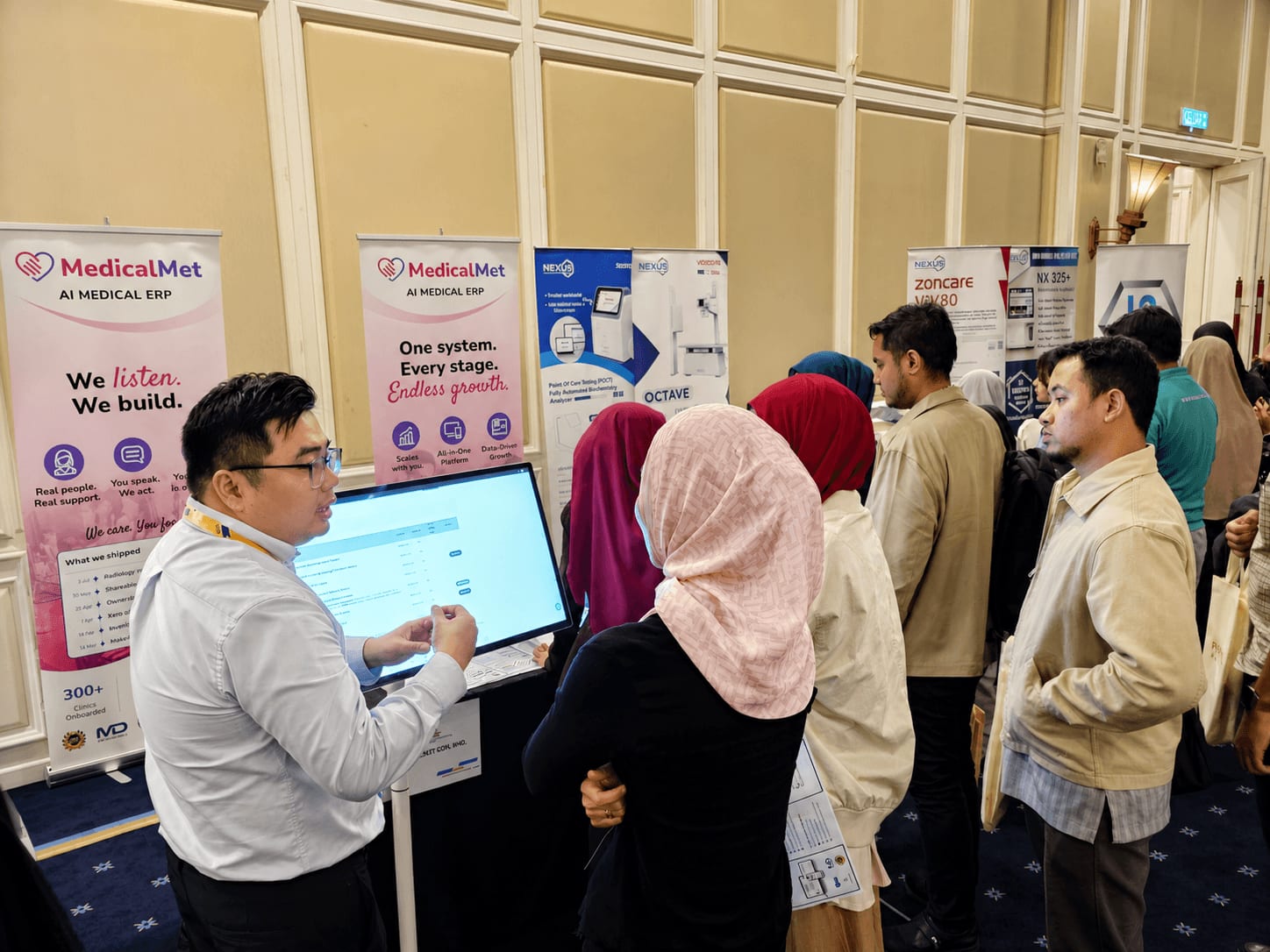
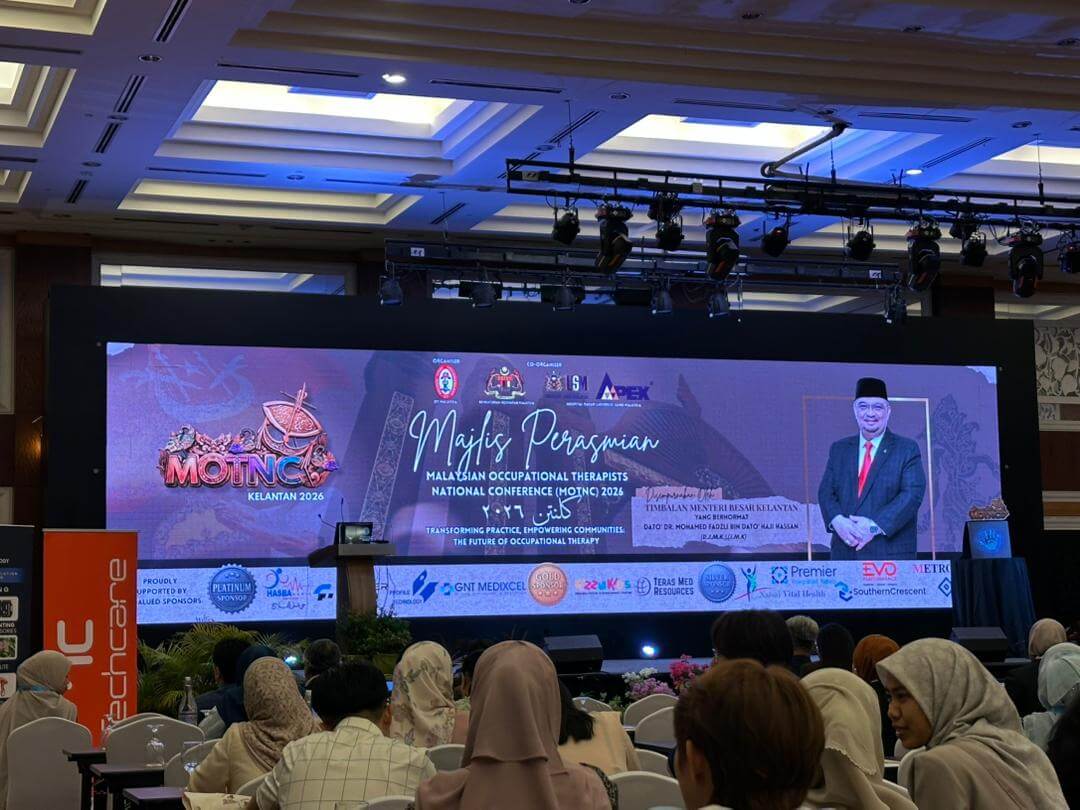
From 25–28 April 2026, MedicalMet attended the Malaysian Occupational Therapists National Conference (MOTNC) 2026 at Hotel Perdana in Kota Bharu, Kelantan. Hosted by Persatuan Terapi Cara Kerja Malaysia together with Terapi Cara Kerja KKM Kelantan, Pemulihan Cara Kerja USM Hospital, and Pusat Transformasi OKU USM–MAIK, this year's theme — "Transforming Practice, Empowering Communities: The Future of Occupational Therapy" — pulled together OT practitioners, educators, researchers and students from across Malaysia and the wider region. We came back with sharper thinking on what AI, digital tools and modern clinic software mean for occupational therapy clinics in Malaysia.
What Is MOTNC 2026?
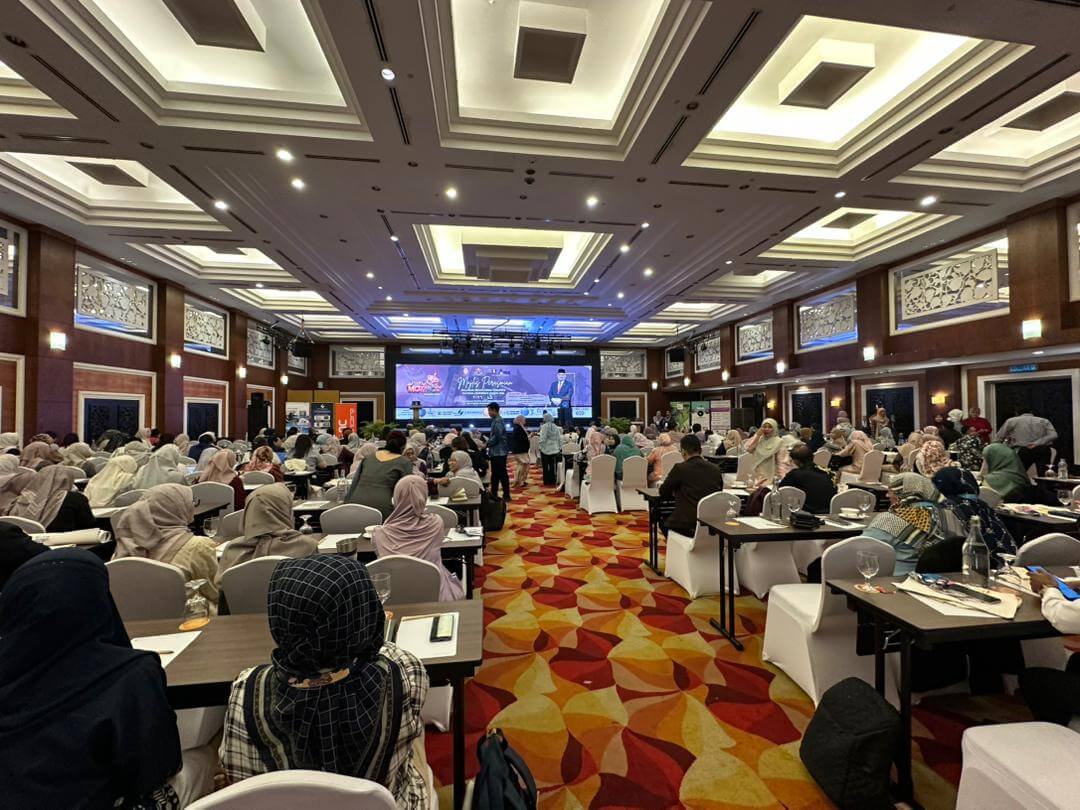
MOTNC 2026 is the Malaysian Occupational Therapists National Conference, the country's flagship annual gathering for the OT profession. Held over four days at Hotel Perdana in Kota Bharu, the 2026 edition was convened by Dr Harnisha Haidhir under the advisory of Nora Hamid, with the theme "Transforming Practice, Empowering Communities: The Future of Occupational Therapy." It brings together public-sector therapists from Kementerian Kesihatan Malaysia, university hospital teams, private practice OTs, educators, researchers, policymakers, and students.
Topics covered at MOTNC 2026
- Children's behavioural assessment and intervention
- Hands-on dynamic taping workshops
- AI and digital OT practice
- 3D printing in occupational therapy
- A Young Leaders Forum for emerging OT clinicians
- Aging care and community-based rehabilitation
- Holistic paediatric approaches
- OT perspectives from across Southeast Asia
Why MedicalMet Joined a National OT Conference
OT clinics are some of the most under-served users in clinic management software. Most systems are built for general practice or dental — designed around 10-minute consultations, prescription dispensing, and simple invoicing. Occupational therapy does not fit that mould. A typical OT session is 45–60 minutes, the documentation is rich (functional assessments, goal-tracking, ADL scoring, sensory profiles), and treatment runs over weeks or months — not single visits. We attended MOTNC 2026 because we wanted to listen, not pitch — to hear directly from clinical OTs what is broken about their current systems and where AI and digital tooling actually help.
The conversations confirmed what we suspected. Paediatric OT clinics are still running on paper assessment forms, A4 milestone trackers, and WhatsApp screenshots for parent updates. Adult rehabilitation services juggle handwritten goal sheets, MS Word progress reports, and calendar reminders that no one consistently sees. Across the board, OTs are spending too much of their week on documentation that a modern AI-assisted treatment note system would handle in minutes.
How Is AI Changing Occupational Therapy in 2026?
The AI track at MOTNC 2026 grouped the answer into three buckets: documentation, assessment scoring, and home-programme adherence. Documentation is the most immediate win — voice-captured session notes that auto-structure into objective findings, intervention summary, and next-session goals. Assessment scoring is where AI helps therapists turn raw observation into normed scores faster, freeing time for actual hands-on work. Home-programme adherence is where AI-driven WhatsApp reminders and parent check-ins turn a 5-week treatment plan into something patients actually complete.
These are not theoretical. MedicalMet customers using AI Treatment Notes have processed over 10,000 voice-captured notes, with paediatric OTs and physiotherapists among the heaviest users. WhatsApp reminders reduce no-shows by 90% — and OT no-shows are particularly costly because every missed session breaks a continuity-of-care plan, not just one billable slot (MedicalMet customer data, 2026).
OT documentation is a treatment outcome, not paperwork
Good OT records — measurable goals, consistent assessment data, parent-friendly progress summaries — are what allow a child to be discharged with confidence or referred onward without losing context. Systems that make documentation faster do not just save therapist time; they raise the floor on care quality.
What Should Clinic Software Do for an OT Practice?
After four days of conversations, the shape of an OT-friendly clinic system became clear. It is not the same shape as a GP or dental system. The session is longer, the documentation is deeper, the treatment plan is multi-visit, and the family — particularly in paediatric OT — is part of the patient unit. A system built only for episodic consults will leak value at every one of those joints.
Essentials for an OT-friendly clinic system
- Session-based appointment scheduling that handles 30, 45 and 60-minute slots — not just 10-minute defaults — with the ability to repeat weekly bookings across a 6–12 week treatment block.
- Structured electronic medical records with templates for OT-specific documentation: functional assessments, goal tracking, ADL scoring and sensory profiles.
- AI-assisted treatment notes so therapists can voice-capture during or right after a session and let the system structure the prose.
- Family and caregiver communication via WhatsApp reminders and parent app updates — paediatric OT lives or dies by family adherence between sessions.
- Prepaid package management for treatment blocks so families can commit to a 12-session plan and the clinic can track redemption without spreadsheets.
- Reporting on outcomes, attendance and revenue per therapist — so the clinic owner can run the business, not just deliver therapy.
“Occupational therapists are some of the most patient-centric clinicians we have ever worked with. The right software is not the one with the most features — it is the one that disappears, so they can focus on the human in front of them.”
— Cedric Lau, Business Development Manager, MedicalMet
Practical Takeaways for OT Clinics in Malaysia
If you run a paediatric OT centre, an adult rehab service, or a private OT practice in Malaysia, here are the actions we would put on a 90-day list — drawn from the clinical conversations at MOTNC 2026 and what we see working across our customer base.
- Move your assessment forms off paper. Even just digitising the intake assessment and goal sheet inside an EMR compounds into hours saved each week.
- Pilot AI voice-captured notes for one therapist for a month. Measure the time saved per session — most OTs report 8–12 minutes back per patient.
- Switch parent reminders from manual WhatsApp messages to automated reminders with confirmation links. Same channel parents already use, none of the manual work.
- Sell treatment in prepaid packages rather than per session. It improves cashflow, raises programme completion rates, and removes the awkward end-of-session payment moment.
- Set up a basic monthly outcomes report — sessions delivered, no-show rate, average sessions per patient, revenue per therapist. Five numbers, reviewed monthly. That alone changes how the practice is run.
None of these requires ripping out what you currently use overnight. They are sequential improvements, each of which gives back hours per week and lifts the quality of care. The OT profession in Malaysia has been carrying the burden of admin work for too long — modern clinic software, including the systems we ranked in our 2026 Malaysia guide, is finally catching up to what therapists actually need.
Thank You, OT Malaysia
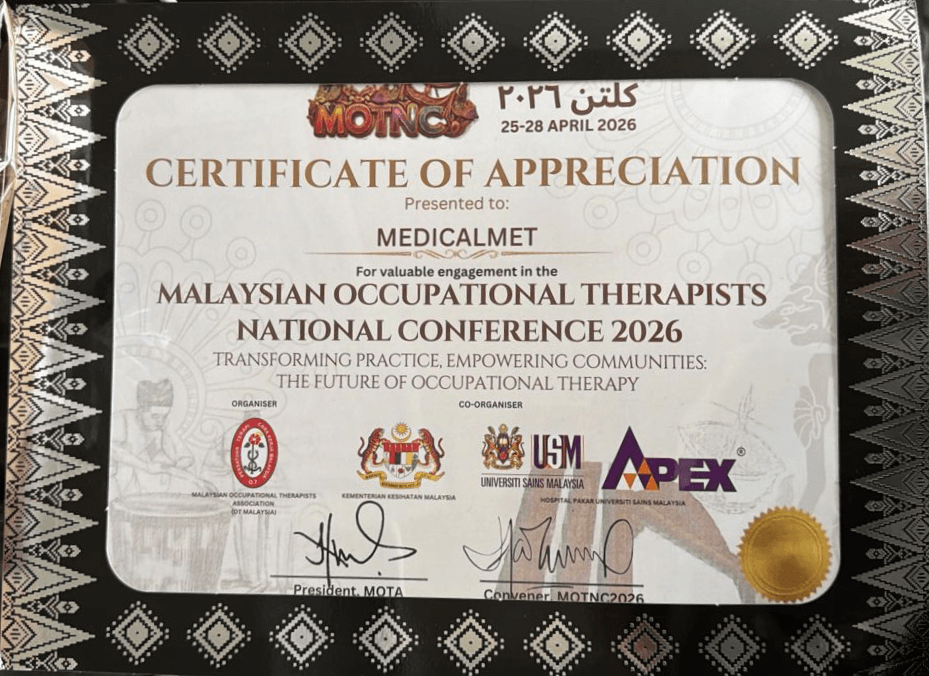
A big thank you to Persatuan Terapi Cara Kerja Malaysia for the Certificate of Appreciation, the convener Dr Harnisha Haidhir, advisor Nora Hamid, and every clinician, researcher and student who took the time to share what their day-to-day looks like. Conversations like these are how MedicalMet keeps building software that maps to real clinical workflows in Malaysia, Singapore, Brunei, the Philippines, Thailand and Vietnam — not what a software vendor imagines therapists need.
If you run an OT clinic and want to see how MedicalMet handles session-based scheduling, AI treatment notes, prepaid treatment packages, and parent communication in one system, our team would be glad to walk you through it.

Cedric Lau
Business Development Manager, MedicalMet