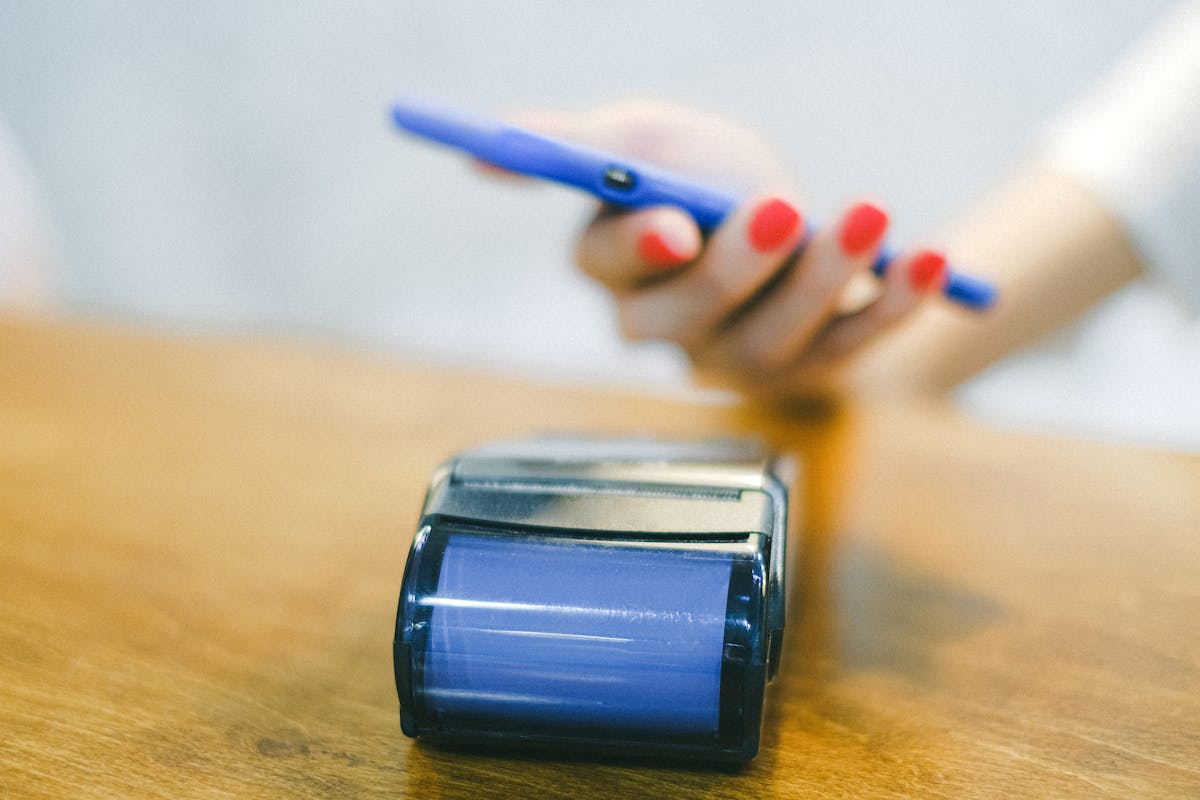
E-wallet payments in Malaysian clinics have gone from a novelty to an expectation in a remarkably short time. As of early 2023, approximately 88% of Malaysians are actively using e-wallets for daily transactions — from nasi lemak stalls to shopping malls. Malaysia now ranks second globally in QR code payment adoption, behind only China. DuitNow QR merchant registrations have surged 6.3 times to over 2 million acceptance points. Yet walk into many private clinics across the country, and you will still see a handwritten sign at the counter: "Cash Only." This disconnect between patient expectations and clinic payment infrastructure is costing practices real revenue.
How Cashless Is Malaysia in 2023?
Bank Negara Malaysia has been driving the cashless agenda aggressively since the launch of the Financial Sector Blueprint. The results are dramatic. E-wallet transaction values grew by over 60% year-on-year through 2022 and into 2023. Touch 'n Go eWallet, GrabPay, Boost, ShopeePay, and MAE have become household names. The ePemula programme distributed RM150 to over 3 million young Malaysians specifically through e-wallet channels, accelerating adoption among the 18-30 demographic — a key patient segment for many clinics.
Beyond e-wallets, DuitNow QR has unified the fragmented QR payment landscape. A single QR code at your clinic counter can now accept payments from any participating bank or e-wallet app. This means a patient using Maybank MAE, another using Touch 'n Go, and a third using CIMB Octo can all pay through the same QR code. The infrastructure problem is solved. The only barrier left is clinic adoption.
- 88% of Malaysians actively use e-wallets as of 2023
- Malaysia ranks 2nd globally in QR code payment adoption
- DuitNow QR acceptance points grew 6.3x to over 2 million merchants
- E-wallet transaction values grew over 60% year-on-year
- ePemula distributed RM150 to 3+ million young Malaysians via e-wallets
- Debit card transactions surpassed credit card transactions for the first time
“When a 25-year-old patient walks into your clinic and you tell them you only accept cash, they are not thinking about your payment policy. They are thinking about the clinic down the road that takes their e-wallet.”
Why Do Patients Prefer E-Wallet Payments?
Patient preference for e-wallets is driven by convenience, not technology enthusiasm. Most patients no longer carry significant amounts of cash. A clinic visit might cost RM80-200 depending on the consultation and medication, and many patients simply do not have that amount in their wallet on any given day. They expect to tap or scan, just as they do at every other retail establishment they visit.
There is also the receipt factor. E-wallet transactions generate automatic digital receipts — useful for patients who need to submit medical expenses for insurance claims or tax deductions under Section 49 of the Income Tax Act. Paper receipts get lost. Digital records do not. For patients with company medical benefits, a clear digital payment trail simplifies reimbursement.
- Convenience — no need to carry cash or visit an ATM before the clinic
- Speed — tap or scan payments complete in seconds, reducing counter wait times
- Digital receipts — automatic transaction records for insurance claims and tax deductions
- Cashback and rewards — many e-wallets offer incentives that make patients prefer digital payments
- Hygiene — contactless payments reduce physical cash handling, a persistent concern since the pandemic
What Revenue Are Cash-Only Clinics Losing?
The revenue impact of refusing e-wallets is difficult to measure directly because it shows up as patients who never walk through your door. A younger demographic that relies on e-wallets will search Google Maps for a "clinic near me," check reviews, and then call to ask if the clinic accepts their preferred payment method. If the answer is no, they move on. You never see the lost patient — you just wonder why foot traffic is not growing.
There is also the average transaction value effect. Studies across retail sectors consistently show that cashless payments lead to higher average spending — typically 15-20% more per transaction. In a clinic context, this translates to patients being more willing to add on supplements, purchase recommended skincare products, or book follow-up treatments when they are not constrained by the cash in their pocket.
Finally, consider the operational cost of handling cash. Cash requires counting at the end of every shift, bank deposit runs, change management (do you have enough RM1 coins?), and exposure to theft or counting errors. These are real costs that clinics rarely quantify but that add up over months and years.
How Can Your Clinic Start Accepting E-Wallet Payments?
Setting up e-wallet acceptance at your clinic is simpler than most owners expect. There are two primary approaches: standalone payment terminals and integrated clinic management systems.
The standalone approach involves signing up with a payment service provider — such as Revenue Monster, Fiuu (formerly Razer Merchant Services), or GHL — to get a DuitNow QR code and a card terminal for your counter. This works, but it creates a disconnect: payments are processed separately from your clinic's billing and patient records. Your staff must manually reconcile end-of-day reports between two systems.
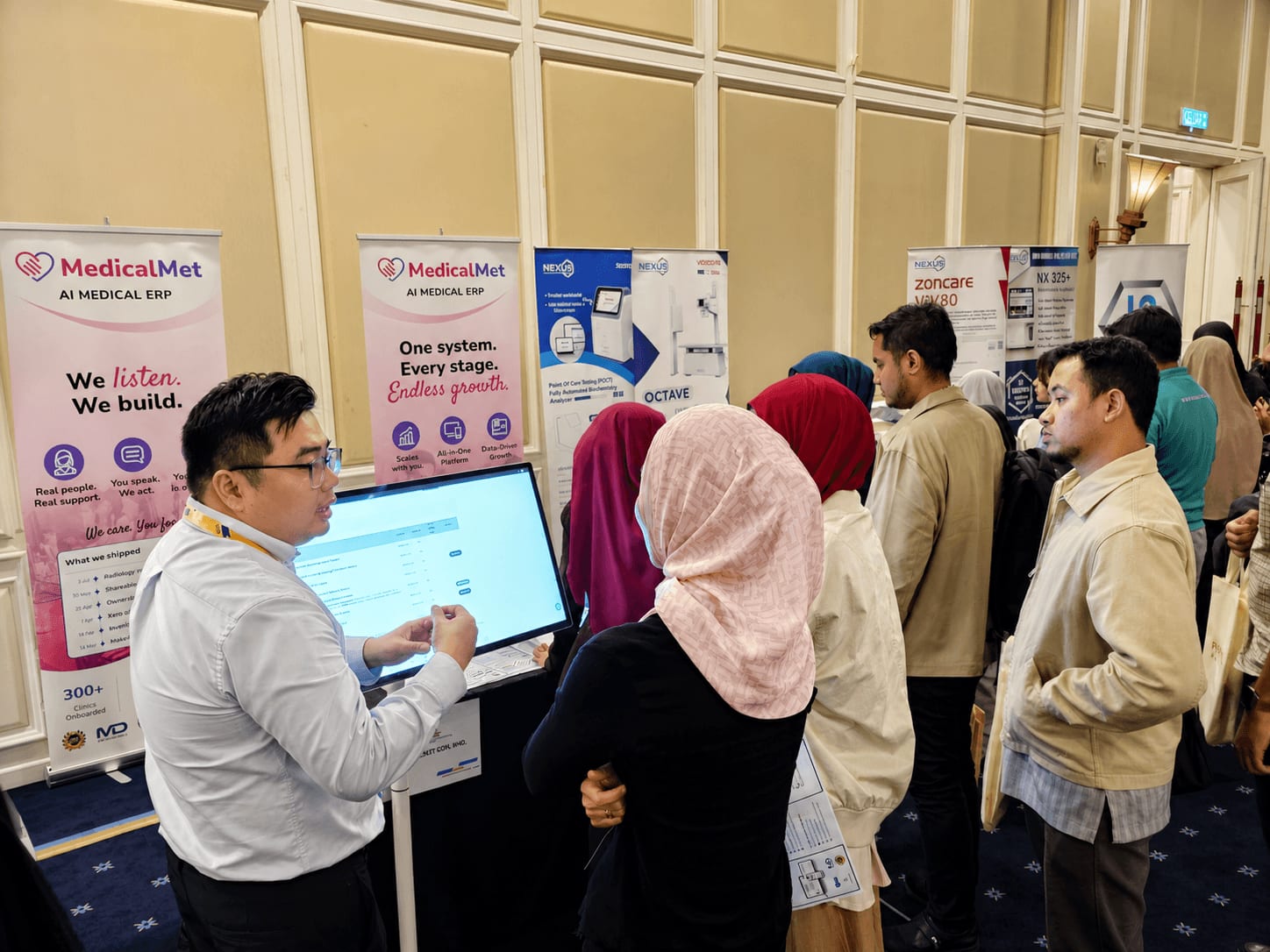
The integrated approach is more efficient. A clinic management system like MedicalMet connects payment processing directly to patient invoices. When a patient pays via e-wallet or card, the transaction is automatically recorded against their invoice, the receipt is generated, and the day-end report balances without manual reconciliation. No double entry, no mismatches, no reconciliation headaches at closing time.
- Decide between a standalone terminal or an integrated clinic management approach
- Register with a payment service provider to obtain your DuitNow QR code
- Set up your terminal or integrate payments with your clinic software
- Train your front desk staff on the payment flow — most learn in under 30 minutes
- Display your accepted payment methods clearly at reception and at the counter
- Monitor transaction reports for the first month to verify reconciliation accuracy
What About Transaction Fees?
The most common objection from clinic owners is transaction fees. E-wallet and card payments typically incur a fee of 0.8% to 1.5% per transaction, depending on the provider and volume. On a RM100 consultation, that is RM0.80 to RM1.50. Many clinic owners view this as an unnecessary cost.
But consider what cash costs you in hidden ways: staff time spent counting and reconciling cash drawers (15-20 minutes per shift), bank deposit trips (transport cost plus staff time), cash handling errors (typically 0.5-1% of total cash flow in small businesses), and the opportunity cost of patients who walk away because you do not accept their preferred payment method. When you factor in these hidden costs, the e-wallet transaction fee is often a net saving — not an expense.
DuitNow QR Is Free to Set Up
Most banks and e-wallet providers offer free DuitNow QR registration for merchants. There is no hardware cost — you can start accepting QR payments with a printed code at your counter. The only cost is the per-transaction fee, which is typically below 1% for DuitNow.
How Should You Communicate the Change to Patients?
Once you have set up e-wallet acceptance, make it visible. Place "We Accept" stickers showing DuitNow QR, Touch 'n Go, and card logos at your reception and payment counter. Update your Google Business Profile to indicate accepted payment methods. If your clinic uses WhatsApp reminders for appointments, include a line mentioning cashless payment availability. These small signals reassure patients that your clinic is modern and convenient.
You do not need to stop accepting cash. The goal is to offer choice. Some patients — particularly older demographics — will continue to pay cash, and that is perfectly fine. But by offering e-wallet options alongside cash, you remove a barrier for the growing majority who prefer digital payments.
“We added DuitNow QR on a Monday. By Friday, 40% of our payments were coming through e-wallets. We did not advertise it — patients just saw the QR code and started scanning. It was the easiest change we ever made.”
— Dental clinic owner in Subang Jaya
Where Are Clinic Payments Heading?
Bank Negara's roadmap points toward an increasingly cashless economy. The central bank has set targets for electronic payment transactions to reach 400 per capita by 2025 — up from around 250 in 2022. The rollout of PayNet's cross-border QR initiatives with Thailand and Indonesia will further normalise QR payments. For clinics in tourist areas or those serving expatriate patients, cross-border e-wallet acceptance will become a differentiator.
The clinics that set up their payment infrastructure today will not need to scramble when cashless becomes the norm rather than the trend. And with integrated clinic management software handling payments alongside scheduling, records, and inventory, the operational overhead is minimal.
The shift to cashless is not a prediction — it is already happening at the nasi lemak stall, the pasar malam, and the parking lot. Your patients are ready. The infrastructure is in place. The only question is whether your clinic is keeping up.

Cedric Lau
Business Development Manager, MedicalMet