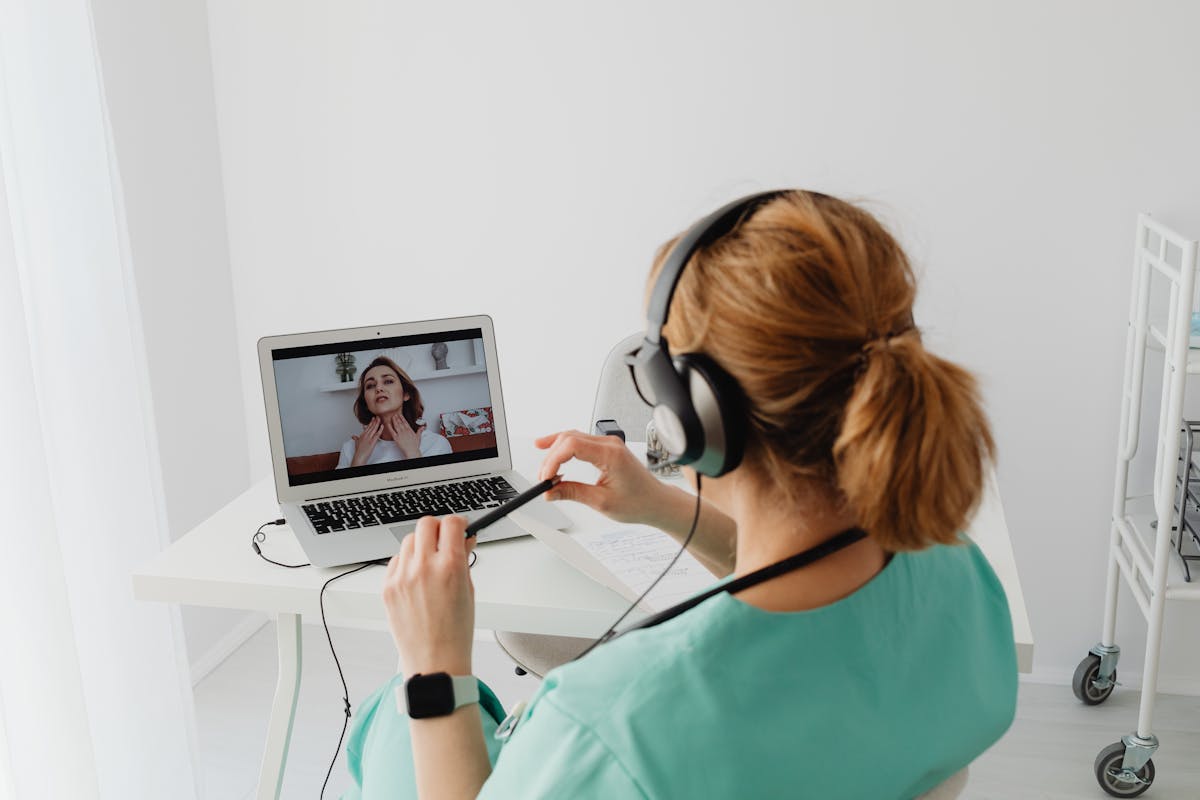
Telehealth in Malaysia has entered a new phase. In January 2024, the Malaysian Medical Council (MMC) officially endorsed its Guideline on Telemedicine, replacing the temporary Advisory on Virtual Consultations issued during the COVID-19 emergency in April 2020. For clinics that adopted virtual consultations during the pandemic, this is a critical update — the rules of engagement have changed. The new guidelines are not legislation, but they carry significant weight: the MMC uses them to assess complaints and disciplinary cases. If your clinic offers any form of telehealth — video consultations, remote follow-ups, or telephone-based prescribing — you need to understand what the guidelines require and how to align your practice with them.
A Brief History of Telehealth Regulation in Malaysia
Malaysia's relationship with telehealth regulation has been complicated. The Telemedicine Act 1997 was passed by Parliament but never brought into force — it was considered outdated almost from the moment it was written, as it could not anticipate the internet-era technologies that would eventually make telehealth viable.
When COVID-19 hit in March 2020, the MMC moved quickly. In April 2020, the MMC's Ethics Committee issued an Advisory on Virtual Consultations, acknowledging that the pandemic made in-person visits impossible for many patients and that doctors needed clear guidance on how to conduct virtual consultations ethically. That advisory was intentionally pragmatic — it loosened restrictions to allow teleconsultations during the emergency while emphasising that it was not a permanent framework.
Fast forward to October 2023: the MMC's Ethics Committee endorsed a comprehensive new Guideline on Telemedicine, reflecting three years of practical telehealth experience. In January 2024, the full MMC Council officially endorsed the guideline. This replaces the 2020 advisory and provides a more structured, permanent framework for how doctors should approach virtual care.
Guidance, Not Legislation
The MMC Guideline on Telemedicine is regulatory guidance, not a law. However, the MMC uses its guidelines as the standard for assessing professional conduct. Doctors who deviate from the guidelines risk disciplinary action if a complaint is lodged. Treat it as if it were binding.
What Are the Key Provisions of the New MMC Guideline?
The MMC Guideline on Telemedicine covers the full scope of virtual clinical practice. Here are the provisions that matter most for private clinics:
- Patient consent is mandatory — Before conducting any teleconsultation, the doctor must obtain and document the patient's informed consent. The patient must understand the limitations of virtual consultation compared to in-person examination.
- Existing doctor-patient relationship — The guideline emphasises that telemedicine is most appropriate when a doctor-patient relationship already exists. First-time consultations via telehealth are permissible but carry additional responsibilities for assessment and documentation.
- Clinical records must be maintained — Every teleconsultation must be documented in the patient's clinical record with the same thoroughness as an in-person visit. This includes the patient's presenting complaint, clinical assessment, diagnosis, treatment plan, and any prescriptions issued.
- Prescribing rules apply — Doctors may prescribe medications based on teleconsultation, but must exercise the same clinical judgement as in-person prescribing. Controlled substances have additional restrictions.
- Not suitable for all conditions — The guideline explicitly states that telemedicine is not appropriate for all clinical scenarios. Conditions requiring physical examination, urgent cases, and situations where the doctor cannot adequately assess the patient remotely should be referred for in-person consultation.
- Technology standards — The communication platform used for teleconsultation should provide adequate audio and video quality, ensure patient privacy, and comply with data protection requirements.
- Identity verification — The doctor must verify the patient's identity at the start of each teleconsultation, and the patient must be able to verify the doctor's identity.
How Does the Guideline Affect Private Clinics?
For clinics that adopted teleconsultation during COVID-19, the transition from the 2020 advisory to the 2024 guideline requires a review of your current practices. Some clinics built informal telehealth workflows during the pandemic — a quick WhatsApp call here, a Zoom consultation there — without formal documentation or consent processes. That approach was understandable during an emergency, but it is no longer sufficient.
Here is what private clinics need to address:
- Formalise your consent process — Create a standard telehealth consent form or digital consent workflow that patients complete before their first teleconsultation.
- Update your clinical documentation — Ensure your electronic medical records system can clearly flag teleconsultation notes and capture the required information — including that the consultation was conducted remotely.
- Review your prescribing practices — If you have been issuing prescriptions based on brief phone calls without proper documentation, tighten your process. Each prescription must be supported by a documented clinical assessment.
- Choose appropriate technology — The platform you use for teleconsultation should support adequate video and audio quality and protect patient privacy. Consumer-grade video calling apps may not meet the data protection standard the guideline implies.
- Set clear boundaries — Establish internal guidelines for which conditions your clinic will manage via telehealth and which require in-person attendance. Document these criteria.
“The days of informal WhatsApp consultations without documentation are over. The MMC guideline makes clear that teleconsultation carries the same professional and ethical obligations as in-person care — including comprehensive record-keeping, informed consent, and clinical accountability.”
What Infrastructure Do Clinics Need for Compliant Telehealth?
Malaysia's connectivity infrastructure has reached a point where telehealth is technically viable for most clinics. 5G coverage reached 80.2% of populated areas by December 2023, and 4G coverage is nearly universal. Internet speed is rarely the bottleneck — the bottleneck is clinic-side systems and processes.
Here is the infrastructure stack a clinic needs for guideline-compliant telehealth:
- Reliable internet connection — A stable broadband connection with sufficient bandwidth for video calls. Fibre connections are preferable for clinics conducting frequent teleconsultations.
- Privacy-compliant video platform — A teleconsultation platform that encrypts the video stream and does not store recordings without consent. Consumer apps like WhatsApp video are convenient but may not meet the data protection expectations outlined in the guideline.
- Integrated EMR system — Your electronic medical records system should allow you to document teleconsultations inline with in-person visits, with a clear indicator that the consultation was remote. MedicalMet's EMR supports comprehensive clinical documentation that can be tagged by consultation type.
- Digital consent management — The ability to capture and store patient consent for teleconsultation digitally, linked to the patient's record.
- Appointment scheduling with telehealth slots — Your appointment scheduling system should distinguish between in-person and telehealth slots so patients know what to expect and your schedule reflects reality.
Is Telehealth Settling into a New Normal?
The pandemic-era surge in teleconsultation has predictably subsided. Many patients who used telehealth out of necessity during lockdowns have returned to in-person visits as their default. But telehealth has not disappeared — it has settled into a sustainable niche within many clinics' service offerings.
The use cases where telehealth adds clear value remain strong:
- Follow-up consultations — Patients who need a quick check-in after an in-person visit benefit from the convenience of a video call.
- Chronic disease management — Regular monitoring of chronic conditions like diabetes and hypertension can be effectively managed through a mix of in-person and remote visits.
- Rural and underserved areas — Patients in locations far from specialist clinics benefit significantly from teleconsultation.
- Mental health consultations — Counselling and psychiatric consultations translate well to video format, and many patients prefer the privacy of consulting from home.
- International patients — Medical tourists can consult with their Malaysian specialist before and after their visit, improving continuity of care.
The MMC guideline acknowledges this reality. It does not push telehealth as a replacement for in-person care — it establishes guardrails for how virtual consultations should be conducted responsibly. Clinics that integrate telehealth thoughtfully, with proper documentation and clear clinical boundaries, will find it a valuable complement to their in-person services.
Adapt Your Practice to the New Guidelines
The MMC's endorsement of the Guideline on Telemedicine marks the transition from pandemic-era improvisation to structured, accountable telehealth practice. Clinics that built informal teleconsultation workflows during COVID-19 need to formalise their processes — consent, documentation, prescribing, and technology — to align with the new guideline.
This is not about abandoning telehealth. It is about doing it properly. The guideline provides a framework that protects both doctors and patients. Clinics that follow it will be able to offer telehealth confidently, knowing they are operating within the MMC's expectations. The ones that ignore it are exposing themselves to disciplinary risk every time they conduct an undocumented virtual consultation.

Eddy Goh
CTO, MedicalMet